


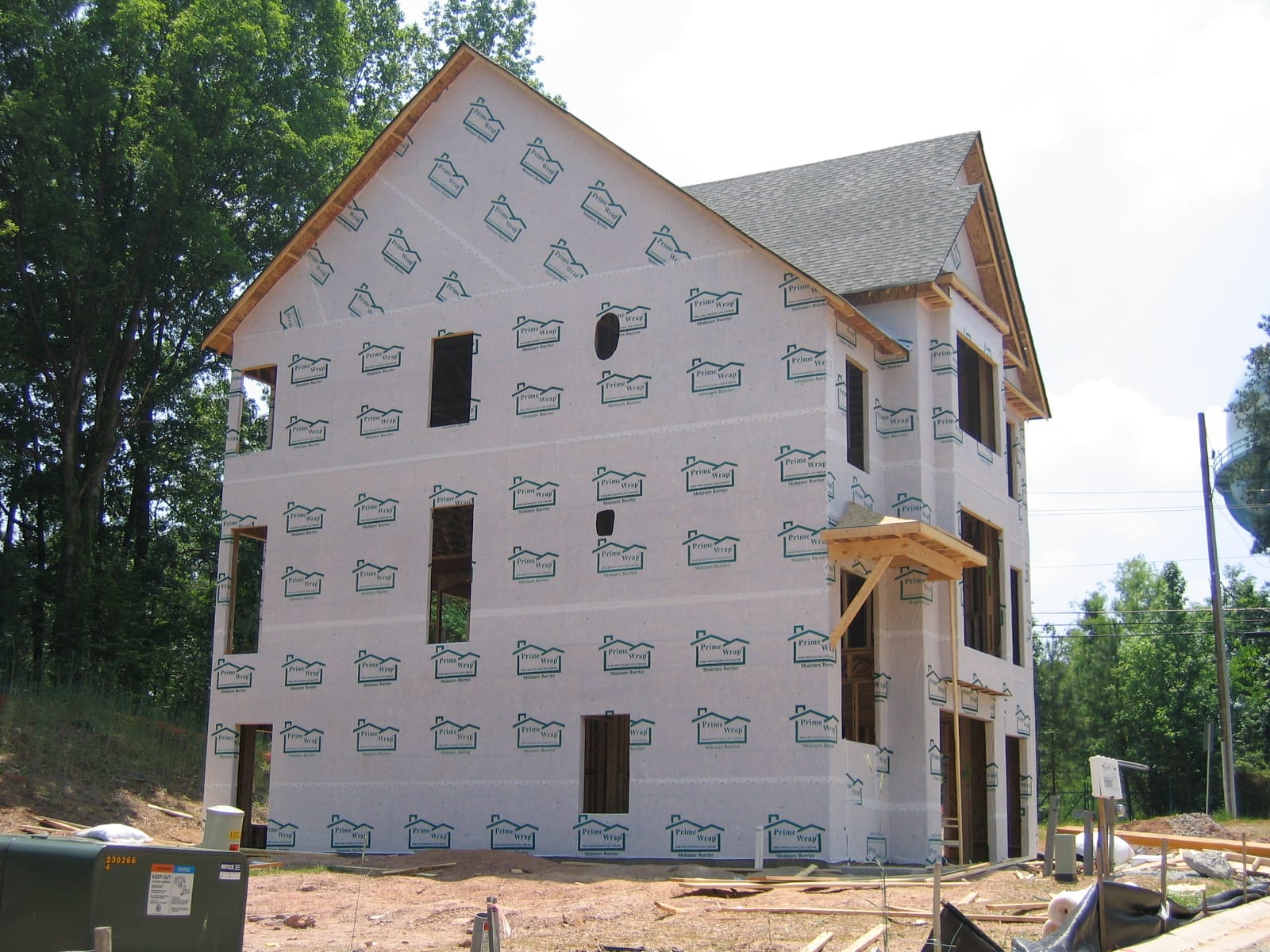
When constructing a new building or renovating an existing one, protecting the structure from the elements is a critical step. One of the most important components in a building’s exterior wall system is house wrap. Although it remains hidden beneath siding and other exterior finishes, house wrap plays a major role in helping protect buildings from moisture and air infiltration.
What Is House Wrap?
House wrap is a weather-resistant barrier installed over wall sheathing and beneath exterior siding. Its purpose is to help prevent water from entering the wall assembly while allowing moisture vapor from inside the building to escape.
This balance helps protect the building envelope and contributes to the long-term performance of residential and commercial structures.
Why Is House Wrap Important?
Moisture Protection
Wind-driven rain and other forms of moisture can penetrate exterior siding over time. House wrap provides an additional layer of defense, helping to keep water away from the wall sheathing and framing.
Excess moisture inside wall systems can lead to mold growth, wood rot, and structural damage. Properly installed house wrap helps reduce these risks.
Improved Energy Efficiency
Air leaks can make heating and cooling systems work harder than necessary. House wrap helps create a tighter building envelope by reducing unwanted airflow through exterior walls.
By minimizing drafts and air infiltration, house wrap can contribute to improved energy efficiency and indoor comfort.
Vapor Permeability
Unlike traditional plastic barriers, quality house wrap is designed to allow water vapor to escape while blocking liquid water. This feature helps reduce trapped moisture within wall cavities and promotes healthier building performance.
Long-Term Building Protection
When combined with proper flashing and installation techniques, house wrap helps extend the lifespan of a building’s exterior wall system by providing continuous protection against weather-related damage.
Common Applications for House Wrap
House wrap is widely used in:
- Residential new construction
- Home additions and renovations
- Multi-family housing developments
- Commercial construction projects
- Exterior siding replacement projects
It is commonly installed behind vinyl siding, fiber cement siding, wood siding, stucco systems, and other exterior cladding materials.
Basic House Wrap Installation Steps
While installation requirements vary by manufacturer, the following steps are generally recommended:
1. Prepare the Surface
Ensure wall sheathing is clean, dry, and properly secured before installation begins.
2. Start at the Bottom
Install house wrap beginning at the base of the wall and work upward. This overlapping method helps direct water away from the structure.
3. Overlap Seams Properly
Follow manufacturer recommendations for horizontal and vertical seam overlaps to maintain a continuous protective barrier.
4. Secure the Material
Fasten the house wrap using approved cap nails or cap staples to help prevent tearing and ensure proper attachment.
5. Seal Seams and Openings
Use compatible construction tape to seal seams, penetrations, and joints. Proper sealing improves both air and moisture resistance.
6. Flash Windows and Doors
Correct flashing installation around windows, doors, and other openings is essential to preventing water intrusion.
7. Install Exterior Cladding
Once the house wrap is installed and sealed, siding or other exterior finishes can be applied according to project specifications.
Common Installation Mistakes to Avoid
To maximize performance, avoid these common errors:
- Installing the wrap upside down
- Insufficient seam overlap
- Leaving tears or punctures unrepaired
- Failing to tape seams
- Improper window and door flashing
- Overdriving fasteners
Careful installation helps ensure the weather-resistant barrier performs as intended.
Choosing the Right House Wrap
When selecting a house wrap product, consider factors such as:
- Water resistance
- Vapor permeability
- Durability
- UV exposure rating
- Ease of installation
- Climate and project requirements
The right house wrap can help improve moisture management, energy efficiency, and overall building performance.
Conclusion
House wrap is an essential component of modern construction. By helping manage moisture and air infiltration, it contributes to a more durable, energy-efficient building envelope. Whether you’re working on a residential, commercial, or renovation project, selecting and installing the right house wrap can help protect your investment for years to come.
For contractors, builders, and homeowners alike, understanding the role of house wrap is an important step toward achieving long-lasting construction results.